
Blackjack Tournaments: Complete Guide to Formats, Events, Prizes & Notable Players
Tournament blackjack is a different game from the one played at a regular table, even though the cards and hand values are identical. Instead of playing purely against the dealer, you're competing against a field of other players for a finite pool of prize money, working against a countdown clock, and making betting decisions based on chip counts and leaderboard position rather than basic strategy alone. From weekly $1,000 casino freerolls to invite-only events with six-figure prize pools, tournament blackjack has built its own distinct culture, its own strategic playbook, and its own roster of recognizable names. This guide covers how tournaments actually work, where to find them, what they pay out, and who has made a name for themselves in this specific corner of the game.

What Makes Tournament Blackjack Different
In standard blackjack, your only opponent is the dealer, and every decision - hit, stand, double, split - is evaluated purely on its own mathematical merit against the dealer's up card. Tournament blackjack keeps the same underlying hand rankings and basic gameplay, but adds a second, more important layer on top: you're also competing against the other players at your table (and often across multiple tables) for a limited number of advancing spots or a share of a fixed prize pool.
This changes the calculus completely. A hit-or-stand decision that's mathematically "correct" against the dealer in isolation might be the wrong tournament decision if it doesn't move your chip count relative to your competitors in the way the situation demands. Betting size, in particular, becomes a strategic weapon rather than just a bankroll management tool - players intentionally over-bet or under-bet relative to their opponents' stacks depending on the round, their position, and how many hands remain.
How Tournament Blackjack Formats Typically Work
Elimination Rounds

Most tournaments are structured in elimination rounds: a set number of hands are played at each table (commonly 20 to 30 hands per round), and only the top one or two chip counts from each table advance to the next round. Players who don't advance are eliminated, regardless of how they performed relative to the dealer specifically - chip count relative to other players at your table is what matters, not whether you individually won or lost against the house.
Chip Counts, Not Cash
Tournament play uses non-negotiable tournament chips rather than cash wagers. Your goal is to finish each round with the highest chip count at your table (or among the group of tables feeding into the next round), which is then converted into advancement or, in the final round, into the actual cash and prize distribution described in the tournament's posted structure.
Betting Limits and Required Minimums
Tournament rounds typically impose a minimum and maximum bet per hand, along with a fixed number of hands per round. Because the number of hands is fixed and known in advance, players can calculate exactly how much betting room they have left and plan their strategy for the remaining hands accordingly - a critical part of tournament strategy discussed further below.
The Final Table
As in poker tournaments, the format typically narrows down through successive rounds - first round, quarterfinals, semifinals - until a small final table (often five to seven players) competes for the top prizes in the tournament's overall structure.
Tournament Blackjack Strategy: How It Differs From Basic Strategy
Betting to Your Position, Not Just Your Hand
The single biggest strategic shift in tournament play is betting size as a tool relative to your opponents. If you're significantly behind the chip leader with only a few hands remaining, correct tournament strategy often calls for an aggressive, high-variance bet that gives you a mathematical chance to catch up - even if that same bet would be considered reckless bankroll management in a standard cash game. Conversely, if you're comfortably ahead heading into the final hands of a round, betting small to protect your lead and simply avoid elimination is often the correct play, even against a hand where basic strategy might otherwise suggest a more aggressive line.
The "Last Hand" Problem
Tournament blackjack has a well-known strategic wrinkle that doesn't exist in standard play: on the final hand of a round, your own hand's outcome sometimes matters less than what your closest competitor is doing. Players frequently adjust their bet size - and even their hit/stand decisions - based on what the leading player has bet, deliberately structuring their own hand to only need to beat a specific target rather than simply playing optimal blackjack in isolation.
Playing to the Bubble
As in poker tournaments, there's a recognizable "bubble" dynamic in blackjack tournaments - the point just before the round's cutoff for advancement, where players with a comfortable lead tend to play more conservatively to lock in their spot, while players on the direct edge of elimination are forced into higher-variance plays out of necessity rather than preference.
For a deeper breakdown of tournament-specific strategic concepts and historical tournament formats, see our companion guides on ultimate blackjack tournament facts and the 2025 blackjack world tours.
Types of Blackjack Tournaments
Casino Freerolls and Low Buy-In Weekly Events
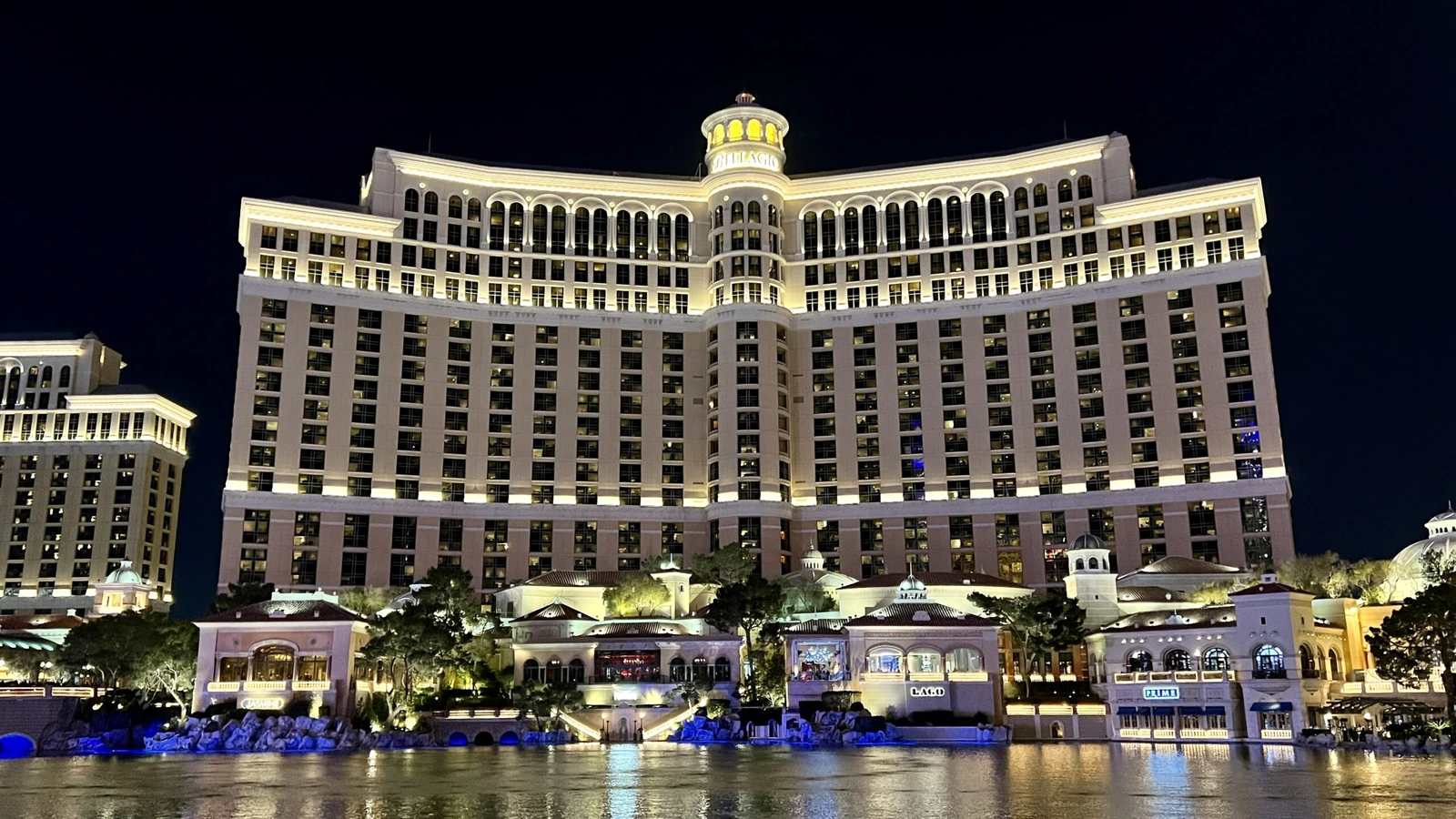
Many land-based casinos run free or low-cost weekly and monthly blackjack tournaments as a player-loyalty draw, typically open to rewards club members or requiring only a small cash buy-in (often $25 to $50). Prize pools for these events are modest - usually ranging from $1,000 to $15,000 - but they're a genuinely accessible way for recreational players to experience tournament play without significant financial risk.
Mid-Size Public Tournaments
A step up from the weekly freerolls, mid-size tournaments typically run periodically (monthly or quarterly) with modest buy-ins, structured play-in and main event rounds, and prize pools generally in the $10,000 to $50,000 range. These events are usually open to the public rather than restricted to invited players, making them a realistic entry point for a serious recreational player looking to compete for a meaningful prize.
Large Invite-Only Tournaments
The largest blackjack tournaments - with prize pools reaching into the hundreds of thousands of dollars - are typically invite-only, extended to a casino's highest-value players as a loyalty perk rather than opened to public buy-in. These events combine serious prize money with an exclusivity factor that makes an invitation itself a status symbol among high-volume players.
Online Blackjack Tournaments
Online casinos run their own tournament formats, ranging from small recurring weekly events with prize pools in the hundreds or low thousands of dollars, up to larger periodic tournaments with five-figure pools. Online formats typically use a hand-count or time-limited structure, with leaderboards updated in real time and prizes distributed as bonus funds subject to wagering requirements, rather than the cash and free-play structures typical of land-based events.
The Blackjack Ball: An Invitational Unlike Any Other
Separate from the casino-hosted tournament circuit entirely, the Blackjack Ball is an invitation-only annual gathering founded by longtime casino executive and advantage-play author Max Rubin, first held in January 1997 and continuing every January since. It isn't a conventional cash tournament - it's a private social gathering for advantage players, professional blackjack teams, and figures from the wider gambling and business world, capped off by a skills competition where the winner receives the Grosjean Cup, named after professional advantage player James Grosjean after he won the competition three times. Richard Munchkin, another well-known advantage player and author, has also won the event three times. Attendance is by invitation from Rubin and a committee drawn from the Blackjack Hall of Fame, and the event's location is kept confidential until shortly before it takes place.
A Snapshot of the Current Tournament Calendar
Blackjack tournament schedules shift frequently - new dates are announced, prize pools are adjusted, and invite-only events can change their guest criteria from year to year - so any calendar snapshot is a point-in-time picture rather than a permanent schedule. As of mid-September 2026, publicly tracked upcoming tournaments include a notable cluster of Las Vegas-area and regional events:
| Venue | Location | Prize Pool | Format |
|---|---|---|---|
| Aria | Las Vegas, NV | $750,000 | Open |
| Wynn | Las Vegas, NV | $388,000 | Invite-only |
| Venetian | Las Vegas, NV | $200,000 | Invite-only |
| West Gate | Las Vegas, NV | $75,000 | Invite-only |
| Viejas | Alpine, CA | $75,000 | Invite-only |
| Green Valley Ranch | Henderson, NV | $50,000 | Invite-only |
| Atlantis Reno | Reno, NV | $40,000 | Invite-only |
| Hard Rock | Biloxi, MS | $25,000 | $150 entry |
| Sky River | Elk Grove, CA | $14,000 | Open |
| Palms | Las Vegas, NV | $11,000 | Open |
| Horseshoe | Las Vegas, NV | $10,000 | $50 entry |
| Ocean Downs | Berlin, MD | $10,000 | $100 entry |
| The STRAT | Las Vegas, NV | $1,000 | Weekly, $25 entry |
Several regional casinos also run recurring smaller tournaments outside this snapshot - Caesars Southern Indiana, for example, has run a structured $30,000 event with a $50 public play-in round leading to a main tournament paying $15,000 to first place, and Agua Caliente's Southern California properties run recurring "$12,000 Free Blackjack Tournament" series open to rewards club members at no entry cost. Because schedules, prize pools, and eligibility change regularly, always confirm current dates and entry requirements directly with the specific casino before planning to attend.
Typical Prize Structures
Prize distribution varies by tournament size and format, but most events follow a similar shape: a concentrated top prize for first place, a steep drop-off through the next several positions, and progressively smaller prizes extending down through a larger group of finishers. A representative structure from a mid-size public tournament looks something like this:
| Finish | Typical Prize Share |
|---|---|
| 1st Place | $15,000 cash |
| 2nd Place | $6,000 cash |
| 3rd Place | $4,000 free play |
| 4th Place | $3,000 free play |
| 5th Place | $2,000 free play |
Smaller weekly and monthly freerolls follow the same top-heavy shape at a reduced scale - a typical $1,000 to $1,500 weekly tournament might pay $500 for first place, with remaining prize money split in decreasing amounts across the next four to ten finishers. Larger invite-only events with six-figure prize pools generally extend meaningful payouts further down the finishing order, sometimes rewarding the top 20 or more finishers, in addition to the headline top prize.
Notable Names in Tournament Blackjack History
Tournament blackjack has produced its own recognizable figures over the decades, many with backgrounds in advantage play more broadly. A few names that come up repeatedly in tournament history:

Mike Aponte, a former member of the celebrated MIT Blackjack Team (whose card-counting exploits were later dramatized in the book Bringing Down the House and the film 21), won the Season 1 championship of GSN's televised World Series of Blackjack and its $100,000 top prize.
Ken Einiger won the Season 2 championship of the same televised series, defeating a field that included several other well-known tournament regulars.
Stanford Wong, author of several influential blackjack strategy books including one specifically on tournament play, competed on the televised circuit and is widely credited with formalizing much of the betting-to-position strategy that separates tournament play from standard blackjack strategy today.
Anthony Curtis, publisher of the Las Vegas Advisor and a longtime advantage-play figure, has both competed in and written extensively about tournament blackjack strategy over several decades.
Regina Guzior, a legally blind competitor, became a recognizable figure on the televised tournament circuit and was noted for competing successfully against sighted opponents at the highest level of televised competition.
David Matthews, an American professional blackjack player and writer, won the second season of CBS's Ultimate Blackjack Tour - a separate televised elimination tournament series distinct from GSN's World Series of Blackjack - and went on to write tournament strategy content for gambling publications.
James Grosjean, widely regarded within the advantage-play community as one of the strongest all-around players of his generation, won the Blackjack Ball's invitational skills competition three times before being retired from further competition, with the event's trophy - the Grosjean Cup - subsequently named in his honor.
Richard Munchkin, another prominent advantage player and author, likewise won the Blackjack Ball's competition three times.
For a more complete look at tournament champions and their stories across the history of competitive blackjack, see our dedicated guide, Legends of the Felt: All-Time Blackjack Tournament Winners.
Televised Tournament History
Tournament blackjack had its most visible mainstream moment through two competing televised series in the mid-to-late 2000s. GSN's World Series of Blackjack ran for four seasons between 2004 and 2007, featuring both professional advantage players and celebrity contestants - including baseball star Orel Hershiser and magician Penn Jillette in its fourth season, which built toward a $1 million prize pool. CBS's Ultimate Blackjack Tour ran as a competing elimination-format series during a similar period, drawing from a similar pool of professional and semi-professional tournament players. Both series helped popularize the specific betting-to-position strategy that defines tournament play, exposing casual viewers to a tactical layer of the game that doesn't exist in standard casino blackjack.
How to Find and Enter a Blackjack Tournament
- Check your player's club status at casinos you already frequent - many mid-size and larger tournaments are either free or discounted for rewards program members, and invitations to the largest events are typically extended based on tracked play volume.
- Look for posted public buy-in events, which are increasingly common at regional casinos and typically require no prior invitation - just a cash entry fee and, often, advance registration.
- Watch for recurring weekly or monthly series at casinos near you, which tend to have lower stakes and are a practical way to learn tournament-specific strategy before entering a larger event.
- Check online casino promotions pages if you prefer to compete from home - recurring online blackjack tournaments are common, though prize structures and wagering requirements on winnings vary significantly by operator.
Frequently Asked Questions
How is tournament blackjack different from regular blackjack? You're competing against other players for a limited prize pool or number of advancing spots, not just against the dealer - which changes optimal betting and playing strategy to account for your chip count relative to your opponents.
Do I need to be an advantage player or card counter to compete in tournaments? No - most public tournaments are open to any player willing to pay the entry fee (or, for many casino loyalty events, at no cost at all), and tournament-specific betting strategy is a learnable skill separate from card counting.
What is the Blackjack Ball? It's an invitation-only annual gathering of advantage players and gambling industry figures, founded by Max Rubin in 1997, featuring a skills competition for the Grosjean Cup - distinct from the cash-prize tournament circuit run by individual casinos.
How much can you win at a blackjack tournament? It varies enormously by event - weekly casino freerolls might pay a few hundred dollars to the winner, while the largest invite-only tournaments have posted prize pools reaching into the hundreds of thousands of dollars.
Are online blackjack tournaments the same as land-based ones? The core concept - competing against other players' chip counts or hand outcomes for a shared prize pool - is similar, but online tournaments typically run on a fixed time or hand-count structure with prizes often distributed as bonus funds subject to wagering requirements, rather than the cash and free-play prizes common at land-based events.
This guide is for informational purposes. Tournament schedules, prize pools, and entry requirements change frequently - always confirm current details directly with the hosting casino before planning to attend. Always gamble responsibly and within your means.