

Online and mobile casinos are now a mainstream part of gambling. A well-run platform can offer convenience, a larger game library and live-dealer access without travel or crowds. But "online casino" covers everything from tightly regulated operators to sites with weak oversight, unclear rules and poor withdrawal practices.
The difference is not mainly graphics. It is whether the casino can demonstrate that it is authorized to serve you, that its games are tested and transparent, that your money can be withdrawn under clear terms, and that you can understand the blackjack rules before you wager.
Licensing and regulation - the first check
This is the most important factor in the expanded guide. A regulated operator is subject to the rules of the authority that licensed or authorized it, but a licence is only useful to you if it actually covers the operator, domain and jurisdiction where you are playing.
Do not rely solely on a regulator logo in the footer. Search the official register yourself and match the casino's legal entity or domain. If you are unsure whether online casino gaming is permitted where you live, use our online blackjack legality guide before choosing an operator.
For operators serving consumers in Great Britain, search the official business register by business, trading name or domain.
Open official register → MT Malta Gaming AuthorityThe MGA register allows searches by licensee, authorization status, URL and gaming service.
Open official register → KG Kahnawà:ke Gaming CommissionThe Commission publishes a permit-holder list with certified operators and URLs. Availability can still differ by jurisdiction.
Open permit-holder list → US U.S. state regulatorsInternet casino gaming is state-based. Check your state's official regulator and approved operator list rather than assuming sports-betting legality covers blackjack.
See the U.S. legality section →Safety and reputation
Online play removes some physical risks such as carrying cash, but it creates different questions around data security, identity checks, stored balances and whether a dispute can be resolved.
Payment and account pages should use HTTPS/TLS. The browser padlock is a baseline security check, not proof that the casino itself is legitimate.
Look for regulator-required or independently verified game testing. Testing arrangements vary by jurisdiction, so check whether the casino identifies approved labs or certification information.
A well-run operator explains how identity, payment and account data are collected, stored and used.
Look beyond testimonials. Search independent complaint histories and player discussions for recurring withdrawal or verification problems.
Game variety - and what blackjack players should inspect
Large game counts can be impressive, but blackjack players should care more about the variety and visibility of rules and formats. A casino with 20 blackjack tables is not automatically better if every one pays 6:5 or hides the dealer rules.

Check the blackjack payout, S17/H17, deck count, surrender and DAS. These details directly affect the house edge.
See how rules change the edge → VAR Useful game varietyClassic, European, Spanish 21, Blackjack Switch and other variants can offer genuinely different rules, not just different graphics.
Explore blackjack variants → ● RNG and live dealerFast software tables and streamed physical-card tables serve different preferences. A good platform explains which format you are joining.
Live blackjack strategy → $ Appropriate stakesLook for table minimums that fit your bankroll instead of forcing larger bets simply to access blackjack.
Real-money guide →Software providers and game fairness
Many casinos license games from third-party software studios. Recognizable providers can be useful context, but the more important question is whether the games are permitted and tested under the operator's regulatory framework.
For example, the UK Gambling Commission requires game and RNG testing for applicable remote games to be carried out by an approved test house before release. Other jurisdictions use their own standards and approved laboratories. The expanded manuscript mentions labs such as eCOGRA, iTech Labs and GLI as examples players may encounter.
Mobile compatibility
A strong casino should work well on the device you actually use. Many platforms now run directly in a mobile browser, while some also provide dedicated apps.
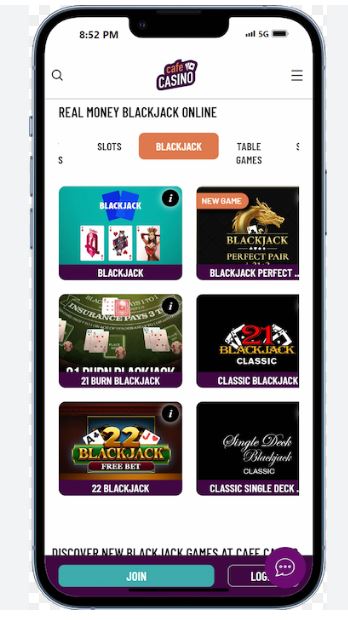
Mobile users should not be pushed into a drastically reduced blackjack selection.
Dealer streams and betting controls should remain usable on a normal mobile connection.
Deposits, withdrawals and identity checks should not require awkward desktop-only workarounds.
Live chat and help pages should be easy to reach during a session.
Bonuses - useful only if the terms fit blackjack
Welcome bonuses, reload offers and loyalty programs can look attractive, but headline percentages tell you very little without the wagering rules.
This is especially important for blackjack because the game already has a relatively low house edge. Many promotions either exclude blackjack from wagering requirements or give it a much lower contribution than slots. Depending on the operator, a blackjack contribution can be small - sometimes around 5-10% - or zero.
Does blackjack count at 100%, 10%, 5%, or not at all?
How many times must the qualifying amount be wagered before withdrawal?
Many promotions cap the wager allowed while bonus funds are active.
A bonus can lose value quickly if the wagering window is short.
Deposits and withdrawals
A good casino makes money movement predictable. Payment choices differ by region, but fees, limits, verification requirements and expected processing times should be explained before you deposit.
Visa and Mastercard may be available depending on region and operator.
Skrill, Neteller, PayPal and similar services may offer faster processing where supported.
Often slower but useful for larger or direct account transfers.
Availability is growing, but the payment method does not make an unlicensed casino safer or legal.
Customer support
A casino's support quality is easiest to judge before money is at risk. Ask a real question before depositing - about a blackjack rule, withdrawal method or verification requirement - and see whether the answer is specific and useful.

- Live chat: preferably available around the clock or with clearly published support hours.
- Knowledge: agents should be able to answer account and game-rule questions, not simply paste generic FAQ text.
- Multiple channels: email and other contact options create a paper trail for disputes.
- Escalation: the casino should explain how formal complaints are handled and when a regulator or ADR process applies.
Responsible gambling tools
A genuinely player-focused casino should make it possible to restrict play, not only increase it. Look for tools that are visible from the account area rather than hidden deep inside help pages.
The exact required tools vary by jurisdiction, but their visibility, clarity and ease of use are useful signals of how seriously an operator treats player protection.
Red flags that should slow you down
The footer claims regulation, but the exact operator or domain cannot be found in the official register.
You cannot see 3:2 vs 6:5, S17/H17, deck count or surrender before joining the game.
The offer is prominent, but game contribution, max bet or withdrawal conditions are difficult to find.
Fees, processing times, KYC requirements or limits appear only after money is deposited.
Deposit limits, time controls or self-exclusion are absent or difficult to activate.
Independent reports repeatedly describe the same payout, account or support problems.
Quick online casino checklist
Before registering or depositing, work through this list. A strong casino should make most of these answers easy to find.
Licensing and game fairness are the foundation. Bonuses, graphics and game counts matter only after you know the operator is authorized, transparent and capable of paying players under clear rules.