
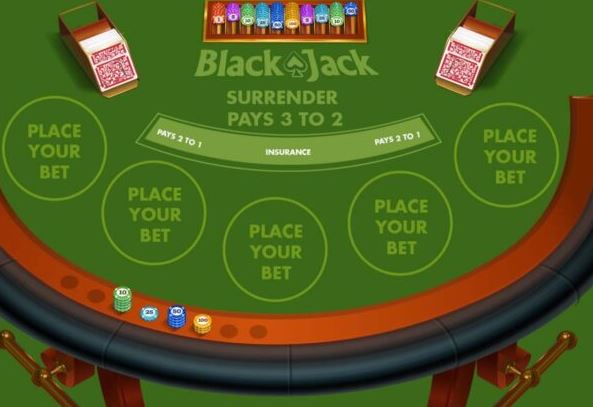
Blackjack combines skill and strategy with chance. One option available at some tables is surrender, which lets you forfeit a hand and recover half of the original wager instead of playing a clearly unfavorable situation to completion.
Early surrender is the more valuable version because it is available before the dealer checks for a natural blackjack. That means it can protect part of your wager even when the dealer's hidden card completes blackjack - a situation where late surrender is no longer available.
Understanding early surrender
In blackjack, surrendering allows you to forfeit the hand and receive half of your bet back before playing it out. Early surrender takes this further by letting you surrender before the dealer checks the hole card for a natural blackjack.
The purpose is not to turn a bad hand into a win. It is to reduce the cost of a hand whose expected result is worse than losing half the wager.
Early surrender vs late surrender
The two versions are easy to confuse, but the timing difference materially changes their value.
You can recover half the wager even if the dealer's hidden card turns out to complete a natural blackjack.
More valuable to the playerIt protects against strong non-blackjack dealer hands, but not against the natural blackjack itself.
More common at casinosWhen should you actually surrender?
Surrender applies to a short list of hands. It should not be used simply because a hand looks uncomfortable. The correct decision also depends on the table's rule set.
Advantages of early surrender
Early surrender can salvage half of the original wager instead of risking the full amount on a hand that is statistically likely to lose.
This is the defining advantage over late surrender. Against an Ace or 10, early surrender remains available before the hole card is checked.
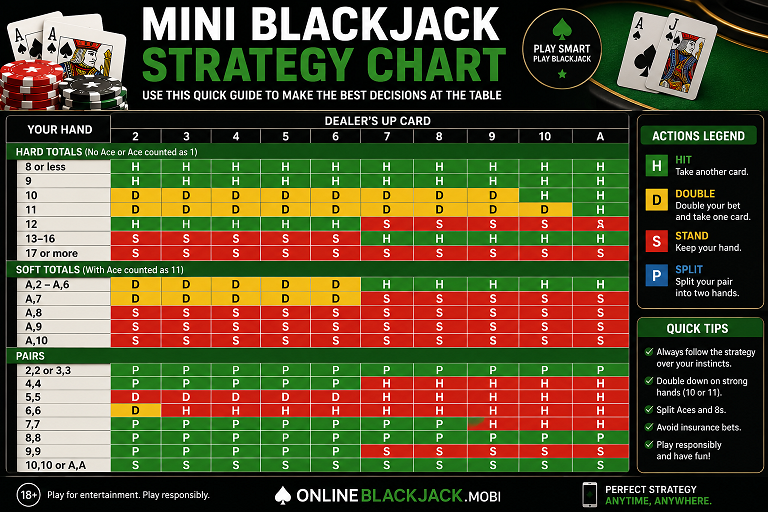
Players who understand the correct surrender situations can incorporate the option into a broader basic-strategy approach rather than relying on instinct.
Giving up half the wager in the correct situations can reduce the cost of especially unfavorable hands and preserve more of the planned session bankroll.
Disadvantages of early surrender
Surrender limits the loss, but it also ends the hand. Using it more often than the strategy calls for gives up value rather than saving it.
Early surrender is genuinely rare. Many casinos offer only late surrender, while other tables do not offer surrender at all.
The correct surrender list is short but rule-sensitive. Beginners can surrender hands that should be played out or miss hands where surrender is correct.
A table or interface may simply say "Surrender." That label alone does not prove that the option is the more valuable early version.
How to find tables with early surrender
Early surrender is uncommon enough that you should actively verify it rather than assume it is available.
Online and live-dealer games normally list surrender conditions in the table rules. Look for the word early, not just "surrender."
At a physical casino, review the rules card, felt markings or ask the dealer exactly when surrender is offered.
The expanded guide notes that early surrender may appear at select single- or double-deck games, but the rule still has to be explicitly confirmed.
If a game does not clearly advertise early surrender, treat it as late surrender or no surrender until the rules say otherwise.
Conclusion
Early surrender is a nuanced strategy tool because it protects against dealer blackjacks in a way late surrender does not. Its value comes from using it on the specific hands where the math supports giving up half the wager rather than playing the full hand out.
It should not be treated as a general escape hatch from any risky-looking situation. The key is to know whether the table offers early or late surrender, match the decision to the actual rules and use the strategy chart for the exact hand.
The value of surrender comes from timing and selectivity: confirm which version the table offers, then use it only where the strategy calls for it.