
Triple Attack Blackjack: How to Play, Rules & Strategy
Triple Attack Blackjack flips one of the most fundamental assumptions of standard blackjack on its head: instead of betting once and playing your hand, you place three separate ante bets upfront and get the chance to fold out of each one individually as your hand develops - all before the dealer even shows their second card. It's a genuinely different betting structure layered onto familiar blackjack hand rankings, and it rewards a different kind of strategic thinking than the basic strategy most blackjack players already know. This guide covers exactly how it works, its odds, and how to approach it strategically.
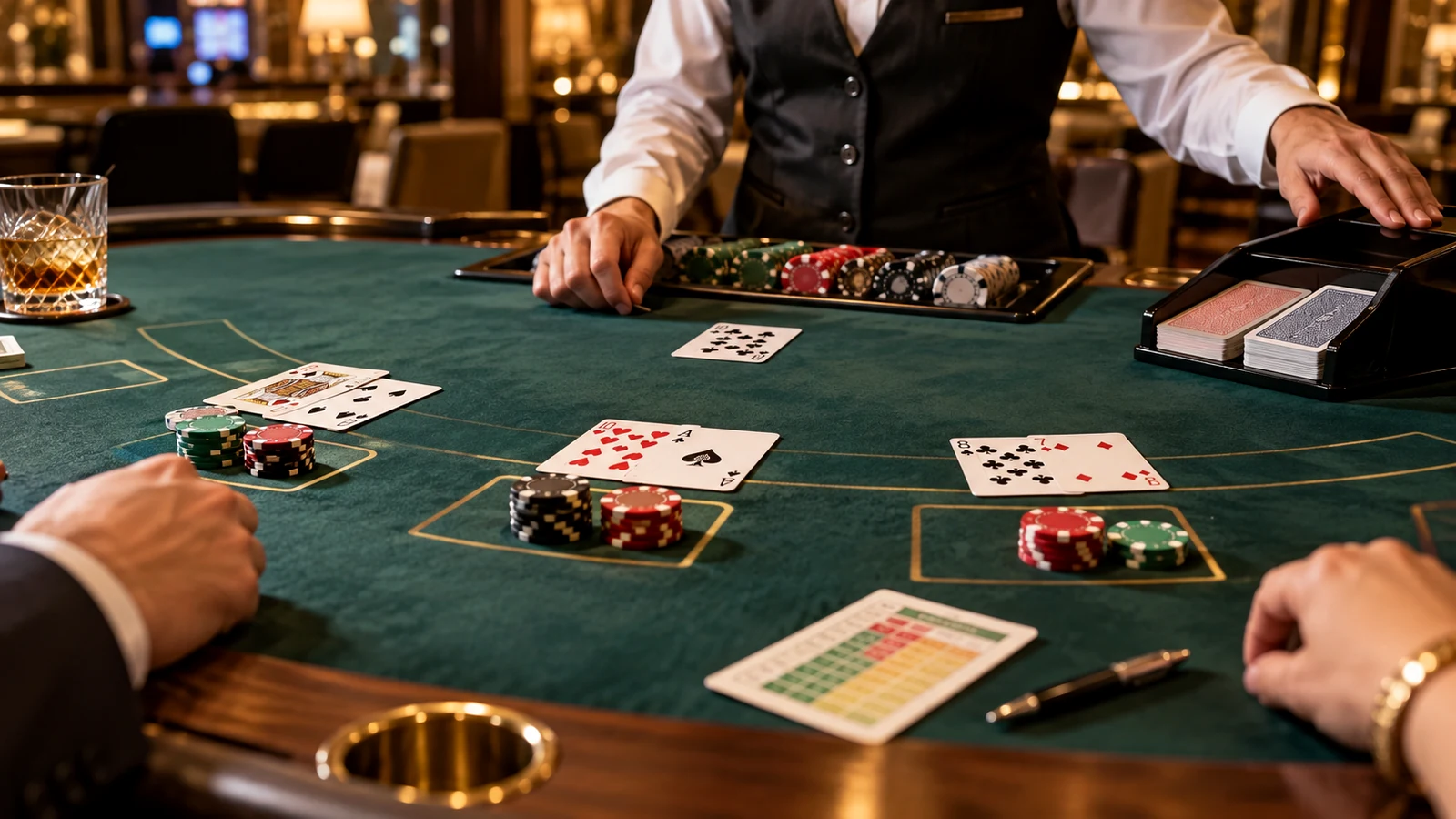
- Three antes: Three equal bets start the hand
- Stages: Each ante can be folded at its decision point
- Exposure: Zero to three bets can reach showdown
- Variable: Exact pay table and RTP depend on provider
Triple Attack Blackjack flips one of the most fundamental assumptions of standard blackjack on its head: instead of betting once and playing your hand, you place three separate ante bets upfront and get the chance to fold out of each one individually as your hand develops - all before the dealer even shows their second card. It's a genuinely different betting structure layered onto familiar blackjack hand rankings, and it rewards a different kind of strategic thinking than the basic strategy most blackjack players already know. This guide covers exactly how it works, its odds, and how to approach it strategically.
What Is Triple Attack Blackjack?
Triple Attack Blackjack is a blackjack variant built around a three-stage betting structure rather than the single upfront bet used in standard blackjack. Instead of placing one ante and then deciding whether to hit, stand, double, or split, players place three equal ante bets before the hand begins. As the hand progresses - first with your own two cards, then after the dealer reveals additional information - you decide, bet by bet, whether to fold each individual ante or let it ride into the final showdown.
This structure means a player can end up with anywhere from zero to three active bets riding on a single final hand, depending on how many folding opportunities they took along the way. It's a meaningfully different risk profile than standard blackjack, where your total action is generally fixed at the start of the hand (aside from doubling or splitting decisions).
How Triple Attack Blackjack Is Played
Step 1: Place Three Equal Ante Bets
Before any cards are dealt, you place three identical wagers - commonly labeled Ante 1, Ante 2, and Ante 3 (or similar). All three must be equal in size.
Step 2: Initial Cards Are Dealt
You receive your first two cards, and the dealer deals their own cards according to the specific table's procedure (this can vary by provider - some deal the dealer's up card immediately, others stagger the reveal across the betting stages described below).
Step 3: First Folding Decision
Based on your initial two-card hand, you decide whether to fold Ante 1 or let it continue. Folding forfeits that specific ante bet and removes it from play for the rest of the hand, while the remaining ante bets continue.
Step 4: Additional Information Is Revealed
As the hand progresses - typically as more of the dealer's hand or additional community-style information becomes available, depending on the specific table's exact procedure - you're given a second folding decision on Ante 2, based on this updated information.
Step 5: Final Folding Decision
A third and final folding opportunity is given on Ante 3, typically once the maximum amount of information short of the complete dealer hand has been revealed.
Step 6: Showdown
Your final hand is compared against the dealer's completed hand, using standard blackjack hand rankings (closest to 21 without going over, blackjack - an Ace plus a 10-value card - beating a standard 21). Every ante bet you chose not to fold is resolved based on this final comparison: paid if you win, lost if you lose, and pushed if you tie, following the specific payout structure of the table you're playing.
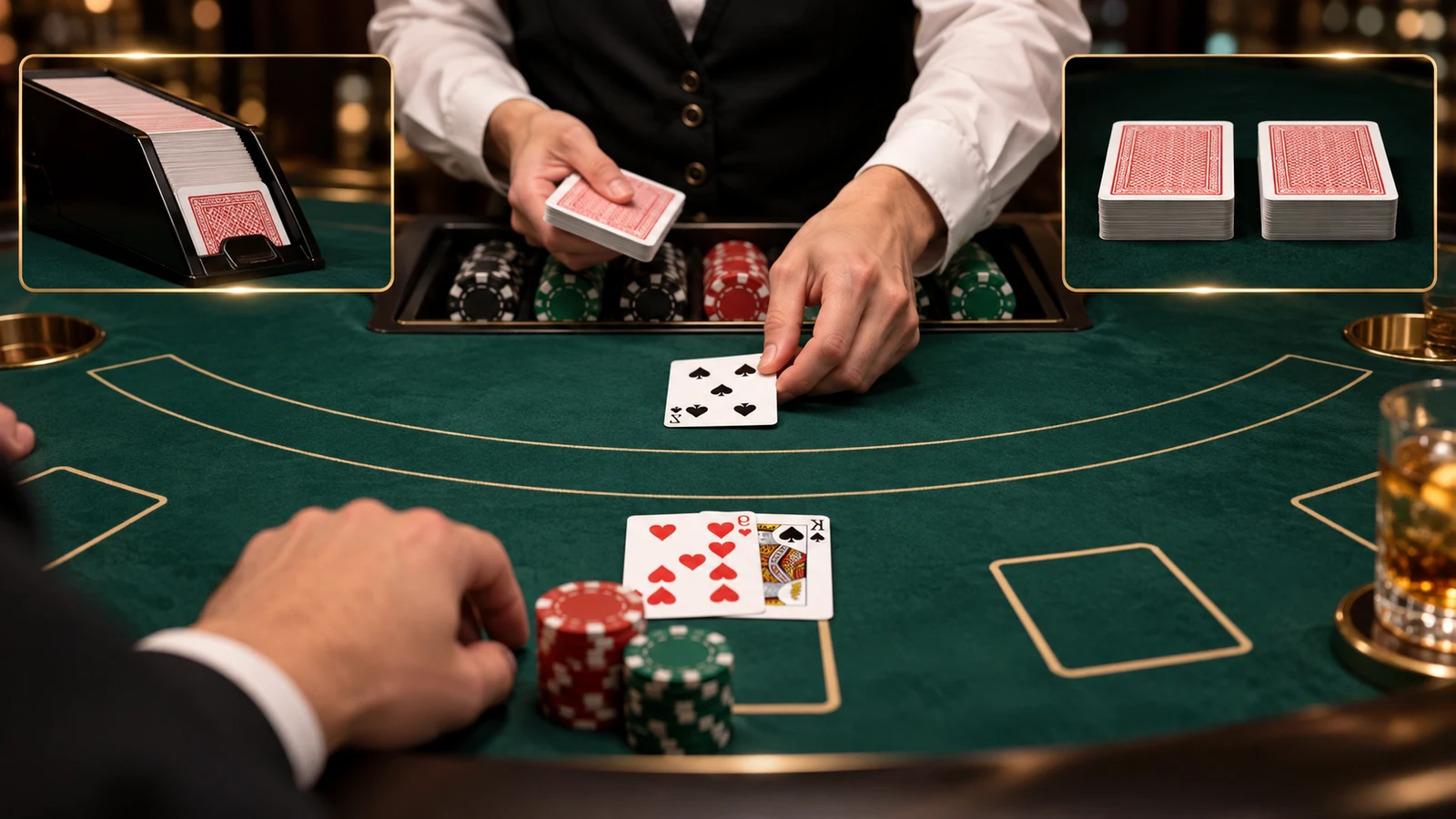
Why the Multi-Stage Folding Structure Matters
The core strategic tension in Triple Attack Blackjack is different from standard blackjack precisely because of this staged folding mechanic. In standard blackjack, your only major pre-showdown decisions are how to play your hand (hit, stand, double, split) - your bet size is generally locked in early. In Triple Attack Blackjack, you're making a separate go/no-go decision on each of three equal-sized bets at different points as information unfolds, which means the game rewards a different kind of read: not just "how strong is my hand," but "how much of my total action do I want riding on this specific hand, given what I currently know and what's still unknown."
This creates a genuinely different bankroll dynamic than standard blackjack. A player who folds aggressively on marginal hands minimizes their total action per round, while a player who lets bets ride through every stage maximizes their exposure - both approaches are valid depending on your risk tolerance and how strongly you read a given hand.
Triple Attack Blackjack House Edge
The house edge on Triple Attack Blackjack varies depending on the specific table's exact rule implementation and pay table, since - like many banked table game variants - the precise folding rules and any bonus payout structures aren't fully standardized across every casino or software provider offering the game. Players interested in the exact house edge for a specific table should check that operator's published game rules and RTP information directly, since the multi-stage folding structure makes the underlying math more complex to generalize than a single-decision game like standard blackjack.
What can be said generally is that, as with any folding-based banked game, correct strategy revolves around knowing which hands are strong enough to justify keeping additional antes in play versus which hands should be folded early to minimize losses - mirroring the logic found in other multi-stage banked card games, even though the underlying hand rankings here are pure blackjack rather than poker.
Strategic Approach to Triple Attack Blackjack
Fold Weak Hands Early Rather Than Late
Because each folding decision only forfeits the specific ante still in play at that stage, there's a real cost to waiting until a later stage to fold a hand that was already clearly weak at the first decision point - you're needlessly carrying additional exposure through a stage where the outcome was already unlikely to improve meaningfully. If your initial two-card hand is weak relative to what you can see of the dealer's position, folding Ante 1 immediately rather than waiting is generally the more disciplined approach.
Let Strong Hands Ride Through All Three Stages
Conversely, a strong starting hand - particularly a blackjack or a hand very close to 21 - generally justifies keeping all three antes in play through the full sequence, since folding a strong hand early sacrifices value you'd otherwise capture at showdown.
Reassess at Each Stage Rather Than Deciding Once
Because new information becomes available between each folding decision, it's worth treating each stage as its own decision point rather than mentally committing to a single strategy at the start of the hand. A hand that looked borderline at Ante 1 might look clearly strong or clearly weak by the time Ante 2's decision point arrives, once additional information about the dealer's hand becomes visible.
Triple Attack Blackjack vs. Standard Blackjack
| Factor | Standard Blackjack | Triple Attack Blackjack |
|---|---|---|
| Initial bet structure | Single ante | Three equal antes |
| Mid-hand betting decisions | Double down, split (hand-based) | Fold decisions on each ante (information-based) |
| Total action per hand | Generally fixed at the start (aside from doubling/splitting) | Variable - from zero to three active bets by showdown |
| Strategic focus | Optimal hand-by-hand play (hit/stand/double/split) | Bet-by-bet risk management across three folding decisions |
| Hand rankings | Standard blackjack rankings | Standard blackjack rankings |
The underlying hand values and the goal of beating the dealer's hand remain unchanged from standard blackjack - what's genuinely different is the layered betting structure sitting on top of that familiar foundation. For players who want a refresher on standard blackjack basics before exploring variants like this one, our guide to how to play blackjack covers the fundamentals.
Triple Attack Blackjack vs. Other Blackjack Variants
Triple Attack Blackjack belongs to a broader category of blackjack variants that modify the traditional single-bet structure rather than the core hand rankings - a category that also includes games like Blackjack Switch, which lets players swap cards between two simultaneously dealt hands, and Double Exposure Blackjack, which reveals both of the dealer's cards upfront in exchange for other rule adjustments. What distinguishes Triple Attack specifically is its three-stage folding mechanic, which has no direct equivalent in these other structural variants.
Who Should Play Triple Attack Blackjack?
Triple Attack Blackjack tends to appeal to:
- Players who enjoy a betting structure with more mid-hand decision points, rather than the more fixed-action structure of standard blackjack.
- Players comfortable managing variable exposure across a single hand, since your total action can swing significantly between rounds depending on how many antes you keep in play.
- Players who already enjoy multi-stage banked card games (even poker-based ones like Caribbean Stud or Three Card Poker) and want a similar staged-decision format built around blackjack hand values instead.
Players who prefer the simplicity of a single fixed bet per hand, or who want to focus purely on optimizing hit/stand/double/split decisions without an additional layer of bet-sizing strategy, may find standard blackjack - or a more traditional variant like European blackjack - a better fit.
Frequently Asked Questions
How many bets do I place in Triple Attack Blackjack? Three equal ante bets are placed before the hand begins, with the option to fold each one individually at separate decision points as the hand develops.
Can I fold all three antes and lose nothing further? Any ante you fold is forfeited at the point you fold it - folding doesn't refund the wager, but it does prevent that specific bet from being exposed to the final showdown result.
Is Triple Attack Blackjack harder to play than standard blackjack? It requires managing additional folding decisions rather than the single upfront bet of standard blackjack, but the underlying hand rankings and the goal of beating the dealer remain the same familiar blackjack fundamentals.
Does basic blackjack strategy still apply? The value of your hand is still assessed using standard blackjack hand rankings, but the strategic focus shifts toward deciding how much of your total action (across the three antes) to keep in play at each stage, rather than purely hit/stand/double/split decisions.
Where can I find the exact house edge for Triple Attack Blackjack? Because the exact folding rules and any bonus structures can vary between casinos and software providers, it's best to check the specific table's published rules and RTP information directly for an accurate house edge figure.
This guide is for informational purposes. Always gamble responsibly and within your means.