
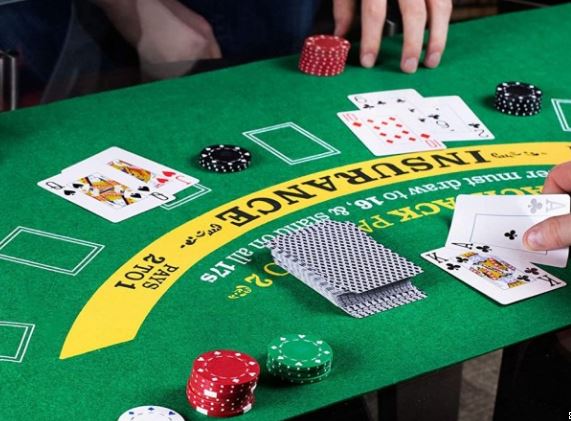
The house edge, or the mathematical advantage the casino holds over players, is relatively low in blackjack. However, it can still vary significantly based on the game's specific rules and the strategies employed. If you're looking to maximize your chances of winning, it's crucial to seek out blackjack casinos and games that offer the lowest house edge. This article will guide you through understanding the house edge, identifying the best blackjack variants, and employing strategies to tip the odds in your favor.
Understanding the House Edge
The house edge represents the casino's advantage over the player in any given game, expressed as a percentage. For example, a house edge of 1% means that over time, for every $100 wagered, the casino will expect to win $1. While no casino game is ever completely in the player's favor, the goal is to find games with the lowest possible house edge to give yourself the best chance of walking away with a win.
Blackjack stands out because it offers a lower house edge compared to games like slots, roulette, or keno. With optimal play and the right rules, the house edge in blackjack can be as low as 0.5% or even lower. However, if you play without considering the rules and strategy, the house edge can climb, significantly reducing your chances of winning.
Key Factors That Influence the Blackjack House Edge
There are several factors that influence the house edge in blackjack, ranging from the number of decks used to specific game rules. Understanding these factors can help you seek out the best games and casinos.
- Number of Decks
The number of decks used in a blackjack game has a significant impact on the house edge. Typically, the more decks in play, the higher the house edge. This is because with fewer decks, players have a better chance of predicting which cards might come next, especially in games that allow card counting.
Single-deck blackjack typically offers the lowest house edge, often around 0.15% when played with basic strategy.
Double-deck blackjack has a slightly higher edge, around 0.45%.
Six or eight-deck games, which are more common in many casinos, tend to have a house edge of around 0.6% or higher.
- Dealer Hits or Stands on Soft 17
One crucial rule to look for in blackjack is whether the dealer hits or stands on a soft 17 (a hand that includes an ace counted as 11). If the dealer must stand on a soft 17, this benefits the player, lowering the house edge by about 0.2%. However, if the dealer hits on a soft 17, it increases the house edge because it gives the dealer more chances to improve their hand.
- Double Down Rules
The ability to double down on your hand is another factor that affects the house edge. Some games allow players to double down on any two cards, which is the most favorable rule for players, reducing the house edge. In contrast, some variations only allow doubling down on specific hands, such as a total of 10 or 11. This restriction increases the house edge slightly.
Additionally, games that allow players to double down after splitting (known as "DAS" or double after split) offer a further advantage to the player and lower the house edge by about 0.15%.
- Surrender Option
Some blackjack games offer the option to "surrender," which allows players to forfeit their hand and recover half of their bet if they feel they are unlikely to win. Late surrender, where the dealer checks for blackjack first, reduces the house edge by about 0.08%. It's a small but valuable rule to look out for.
- Payout for Blackjack
The standard payout for a blackjack hand (an Ace and a 10-value card) is 3:2, meaning a $10 bet would win $15. However, some casinos have moved to a less favorable 6:5 payout for blackjack, which increases the house edge significantly. In fact, this rule change alone can increase the house edge by 1.45%, making it a poor option for players.
Finding the Best Blackjack Games
To seek out blackjack casinos and games with the lowest house edge, you need to focus on the specific rules that favor players. Here are some guidelines to follow:
- Look for Single or Double-Deck Games
Single-deck games tend to offer the lowest house edge, but they can be harder to find as many casinos now favor multi-deck games. If you can’t find a single-deck game, a double-deck option is the next best thing. These games are more player-friendly than six- or eight-deck variants.
- Avoid 6:5 Blackjack
As mentioned earlier, a 6:5 payout for blackjack significantly increases the house edge. Always aim to play at tables that offer a 3:2 payout for blackjack.
- Find Casinos with Favorable Rules
Look for casinos that enforce favorable rules, such as the dealer standing on a soft 17, allowing double down on any two cards, and permitting surrender. Each of these rules reduces the house edge and gives you a better chance of winning.
- Check Online Casinos
Many online casinos offer favorable blackjack rules that are hard to find in brick-and-mortar establishments. Some online blackjack games have house edges as low as 0.2%, thanks to player-friendly rules like late surrender, dealer stands on soft 17, and allowing doubling down after splits. Just be sure to choose reputable online casinos with fair play policies and transparent rules.
Strategic Play to Reduce the House Edge
Even with the best rules in place, you won't lower the house edge unless you play optimally. Basic blackjack strategy provides a mathematically sound approach to minimizing the house edge based on the cards in your hand and the dealer's upcard. Here are a few strategic pointers to keep in mind:
- Learn Basic Strategy
The foundation of reducing the house edge is learning basic blackjack strategy, which dictates the best play for every possible hand. This includes knowing when to hit, stand, double down, or split. Basic strategy charts are widely available, and some casinos even allow you to consult them while playing.
- Use Card Counting (Where Allowed)
Card counting is a more advanced strategy that, when done correctly, can give players a slight edge over the house. By tracking the ratio of high cards to low cards remaining in the deck, players can adjust their bets and strategies accordingly. However, card counting is not welcome in most casinos, and those who are caught can be banned from the table or the establishment.
- Avoid Insurance Bets
Insurance is a side bet offered when the dealer shows an Ace, and it pays out 2:1 if the dealer has blackjack. However, taking insurance increases the house edge and is generally not a good bet in the long run.
Conclusion
Maximizing your chances of success in blackjack starts with finding casinos and games that offer the lowest house edge. By focusing on favorable rules, such as single or double-deck games, a 3:2 payout for blackjack, and the dealer standing on soft 17, you can reduce the casino's advantage. Coupled with optimal play and strategic decision-making, you can tilt the odds more in your favor. Whether playing at a brick-and-mortar casino or online, seeking out the best blackjack conditions is key to enhancing your overall experience and potential profitability.