
The Spanish Card Game - Veintiuna: That Inspired Blackjack
Veintiuna, which means "twenty-one" in Spanish, is a traditional Spanish card game that has much in common with the modern game of Blackjack. It’s believed to have existed since the early 17th century and is considered one of the oldest card games in Spain. Although Blackjack has become widely popular worldwide, Veintiuna remains a cherished game in Spain and Latin American countries. Its appeal lies in its straightforward rules and engaging gameplay, making it accessible to players of all ages and backgrounds.
In this article, we’ll delve into the history, rules, strategies, and cultural significance of Veintiuna, exploring how this classic game has evolved and influenced modern gambling culture.
A Brief History of Veintiuna
The exact origins of Veintiuna are unclear, but historical records suggest it dates back to the early 1600s. The first written mention of Veintiuna appears in a short story by Spanish writer Miguel de Cervantes, the author of Don Quixote. In this work, Cervantes described a game similar to Veintiuna in which players aim to reach 21 points without exceeding the total. This reference is the earliest known description of a game with rules closely resembling modern Blackjack.
Veintiuna spread quickly throughout Spain and other parts of Europe, evolving and adapting along the way. Over the centuries, the game reached different corners of the world, influencing other card games in Europe and North America. When Veintiuna arrived in the United States, it adapted into the game we know today as Blackjack, incorporating betting options and casino variations that helped it gain popularity in the gambling scene.
Despite the evolution of Veintiuna into Blackjack, the original Spanish game has retained its charm. It remains a staple of social gatherings and family events in Spain and other Spanish-speaking countries.
The Basics of Veintiuna
Veintiuna is traditionally played with a Spanish deck, known as baraja española, which contains 40 or 48 cards. Unlike the standard 52-card deck, the Spanish deck has only four suits: swords (espadas), cups (copas), coins (oros), and clubs (bastos). In Veintiuna, each suit has cards numbered from 1 (Ace) to 9, and picture cards (Jack, Knight, and King) valued at 10.
Here are the basic components of Veintiuna:
- Objective: The primary goal in Veintiuna is to score as close to 21 points as possible without exceeding that total.
- Card Values:
- Ace (As): Can count as either 1 or 11, depending on the player’s choice and the hand’s situation.
- Number cards (2–9): Have face values corresponding to their numbers.
- Picture cards (Jack, Knight, King): Valued at 10 points each.
The game involves a designated dealer, who will shuffle and distribute the cards, managing the flow of the game. Unlike Blackjack, where players can make side bets or place additional wagers, Veintiuna is usually played as a simple point-based game, focusing more on the interaction and friendly competition between players.
Rules of Veintiuna
The rules of Veintiuna are straightforward, making it a game that anyone can pick up quickly. Here’s how a typical game is played:
- Initial Deal: The dealer shuffles the deck and deals two cards to each player, including themselves. All cards are dealt face-up, so players can see each other’s totals.
- Player Decisions: Each player examines their two cards and chooses whether to request another card (pedir carta) or to stand (plantarse) with their current total.
- If the player’s total is 21, they win immediately, but if they go over 21, they are out of the round.
- Dealer’s Turn: After all players have made their choices, the dealer reveals their cards. The dealer must follow specific rules: if their hand totals 16 or less, they must draw additional cards, but if it’s 17 or higher, they must stand. These rules can vary, as some versions of Veintiuna allow the dealer more flexibility.
- End of Round: The round ends when all players, including the dealer, have completed their hands. The winner is the player with the highest total that doesn’t exceed 21. If the dealer exceeds 21, all remaining players win the round.
In many cases, Veintiuna is played over several rounds, with players tracking their wins or accumulating points to determine an overall winner after a predetermined number of rounds.
Key Strategies in Veintiuna
Though Veintiuna is a game of chance, players can still use strategy to improve their chances. Here are a few tactics often used by experienced players:
- Counting Points: Since the goal is to get as close to 21 as possible without going over, players should carefully calculate their points after each deal. Knowing when to take a risk and request another card can make all the difference.
- Understanding the Dealer’s Rules: In most variations of Veintiuna, the dealer must follow specific rules about when to draw or stand. By observing the dealer’s hand and understanding these rules, players can make more informed decisions about whether to take another card or stand.
- Risk Management: Unlike Blackjack, there are no side bets in Veintiuna, so players have fewer ways to mitigate their losses. This makes risk management especially important. Players who aim for a total close to 18 or 19 can often avoid busting while still staying competitive.
- Reading Opponents: Since all cards are dealt face-up, players have a unique advantage: they can observe their opponents' hands. This allows them to make strategic decisions based on what other players have. If an opponent’s hand is particularly strong, players might take an extra card to increase their chances.
Cultural Significance of Veintiuna
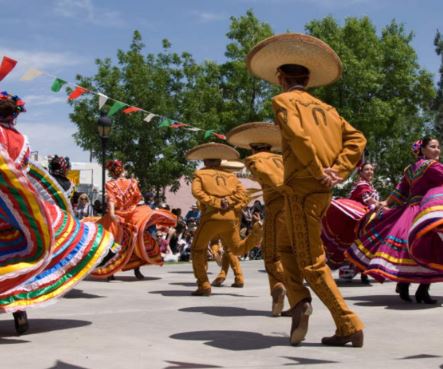
Veintiuna has long been part of Spanish and Latin American culture, often played during social gatherings, family events, and holidays. Its role goes beyond mere entertainment; it’s also a bonding activity that spans generations, as both young and old can enjoy the game together. For many, Veintiuna evokes a sense of nostalgia and serves as a reminder of simpler times, where family and friends would gather around a table to share laughter and stories.
Veintiuna’s straightforward rules and lack of gambling components make it ideal for family settings, unlike Blackjack, which is typically associated with casinos and gambling. However, its roots in the game of Blackjack also connect it to a broader gambling tradition, symbolizing a link between friendly gatherings and the high-stakes world of casinos.
Differences Between Veintiuna and Blackjack
Although Veintiuna and Blackjack share many similarities, there are also notable differences:
- Deck and Card Values: Veintiuna is played with a 40- or 48-card Spanish deck, while Blackjack uses a 52-card deck. In Veintiuna, the picture cards include a “Knight” in addition to the Jack and King, and the deck lacks the 10 card, which slightly changes the odds and strategy.
- Dealer’s Rules: Blackjack has strict rules for the dealer’s actions, often requiring them to stand on a total of 17. In Veintiuna, the dealer’s rules can be more flexible depending on the regional variation.
- Side Bets and Insurance: Blackjack players often place side bets, insurance bets, and additional wagers, which are not present in traditional Veintiuna. This lack of betting options makes Veintiuna more casual and less gambling-oriented, aligning with its role as a family-friendly game.
- Card Values and Winning Total: While the main objective of both games is to reach a total of 21, the absence of 10s in Veintiuna impacts the likelihood of hitting 21 and influences strategy.
- Pacing and Atmosphere: Blackjack tables in casinos are typically fast-paced, with high levels of excitement and tension due to the betting element. Veintiuna, on the other hand, is often played at a leisurely pace, encouraging conversation and social interaction.
Variations of Veintiuna
As Veintiuna spread across Spain and Latin America, regional variations emerged. Each region has its own take on the game, adding unique rules or twists. For instance, in some regions, players play without the face-down “hole card” that’s standard in Blackjack. Other versions may introduce different point thresholds or scoring systems.
In Mexico, for example, a variant of Veintiuna called “La Ventiuna Mexicana” is popular. This version involves more players and uses a larger Spanish deck. Certain Latin American versions of Veintiuna are faster-paced and more simplified, especially for younger audiences.
The Enduring Legacy of Veintiuna
While Blackjack has gained international fame and become a casino staple, Veintiuna retains a timeless appeal for its simplicity and cultural significance. It serves as a reminder of the deep roots of card games in Spanish culture and highlights how a simple game of numbers can foster connections and memories.
Veintiuna is more than just a game; it’s a cultural tradition passed down through generations, representing a bridge between history and modern-day gaming. Whether played at a family gathering, a friendly get-together, or a local café, Veintiuna embodies the social spirit of Spain and the warmth of Latin American traditions.
As long as there are people who appreciate classic card games and the shared moments they create, Veintiuna will continue to be a beloved part of Spanish and Latin American culture. And even for those who have never played Veintiuna, understanding its history and mechanics offers a new perspective on the origins of Blackjack and the enduring appeal of the game of 21.